Get Chimney Cap Replacement
Chimney cap replacement services help property owners prevent water damage, block debris and pests, and ensure proper ventilation by connecting with trusted local contractors.
Property owners in the area considering chimney cap replacement often recognize the importance of protecting their homes from water intrusion, debris buildup, and animal entry. An effective chimney cap not only enhances the overall durability of the chimney structure but also helps maintain the efficiency of heating systems. Exploring options for this work is a practical step for those looking to preserve their property’s integrity and prevent potential damage caused by exposure to the elements.
For those planning a chimney cap replacement, it’s helpful to compare local contractors who specialize in chimney and venting services. Connecting with experienced service providers can ensure the work is completed properly, aligning with the specific needs of the property. Keep reading to learn more about how local experts can assist with this project and what factors to consider when selecting a service provider.
- Chimney Cap Replacement - when a damaged or missing chimney cap exposes the chimney to debris and weather elements.
- Chimney Cap Replacement - if existing caps are rusted, cracked, or otherwise deteriorated, risking water leaks and pest entry.
- Chimney Cap Replacement - during chimney upgrades or when installing new chimney systems to ensure proper protection.
- Chimney Cap Replacement - after severe storms or high winds that may dislodge or damage the existing chimney cap.
- Chimney Cap Replacement - to improve chimney performance and prevent debris buildup that can cause blockages.
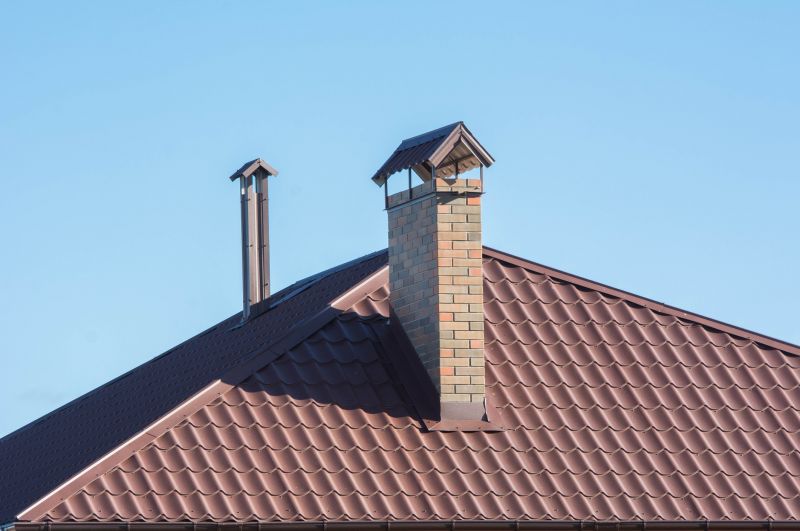
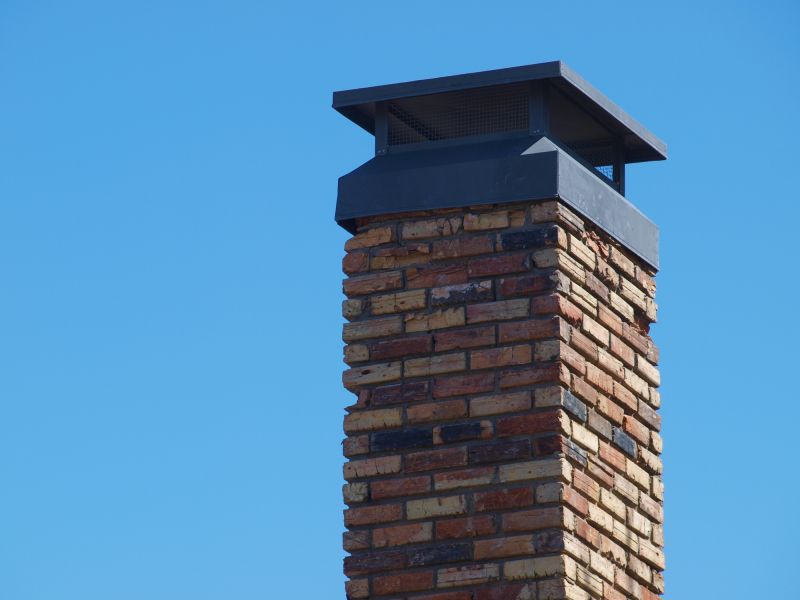
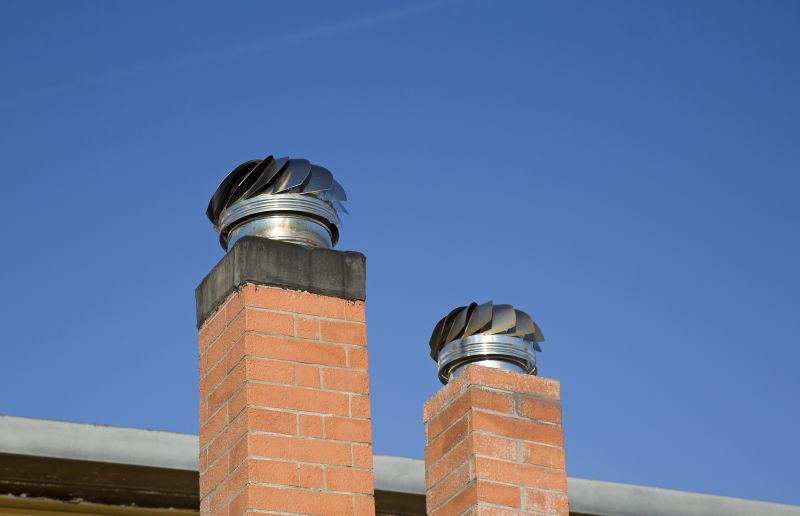
Chimney cap replacement services involve removing an existing chimney cap and installing a new one to ensure proper protection for the chimney opening. The process typically includes inspecting the current cap for damage or deterioration, selecting a suitable replacement that matches the chimney’s specifications, and securely installing the new cap to prevent issues such as water intrusion, debris buildup, or animal entry. This service helps maintain the integrity of the chimney structure and ensures it functions safely and efficiently.
Replacing a chimney cap can address common problems caused by worn or damaged caps. Over time, exposure to weather elements can cause caps to rust, crack, or become loose, leading to potential water leaks into the chimney and home. Additionally, a compromised cap can allow animals, birds, or debris to enter the chimney, increasing the risk of blockages or fire hazards. By upgrading or replacing the cap, homeowners can prevent these issues and protect their property from costly damage.
Properties that typically benefit from chimney cap replacement include single-family homes, historic houses, and multi-unit residential buildings. Homes with wood-burning fireplaces, pellet stoves, or other heating appliances that vent through a chimney are common candidates. Commercial properties with chimneys or vent stacks may also require this service to ensure ongoing safety and compliance. In general, any property with a chimney exposed to the elements can benefit from regular inspections and timely cap replacements to maintain proper function.
Homeowners should consider chimney cap replacement if they notice signs of damage or deterioration, such as rust, cracks, or loose fittings. Other indicators include increased debris in the fireplace, unusual odors, or evidence of animal activity around the chimney top. Consulting with local contractors can help determine whether a cap replacement is needed and ensure the job is performed correctly. Contacting experienced service providers can help keep the chimney protected, extend its lifespan, and promote safe operation of heating appliances.
The overview below groups typical Chimney Cap Replacement projects into broad ranges so you can see how smaller, mid-sized, and larger jobs often compare in your area.
In many markets, a large share of routine jobs stays in the lower and middle ranges, while only a smaller percentage of projects moves into the highest bands when the work is more complex or site conditions are harder than average.
Smaller Repairs - typical costs for routine chimney cap repairs usually range from $100 to $300. Many small projects fall within this range, covering simple fixes or minor replacements. Larger or more complex repairs are less common and can cost more.
Standard Replacement - replacing a chimney cap generally costs between $250 and $600 for most standard sizes and materials. This is the most common project size, with many local contractors offering services within this range.
Full Cap Replacement - for complete replacement of multiple chimney caps or larger systems, costs can range from $600 to $1,200. These projects are less frequent but are necessary for extensive or multiple chimney repairs.
Larger, Complex Projects - extensive chimney cap replacements involving custom materials or structural work can reach $2,000 or more. Such projects are less common and often involve additional work beyond standard replacements.
Actual totals will depend on details like access to the work area, the scope of the project, and the materials selected, so use these as general starting points rather than exact figures.
Chimney Crown Repair - this project involves masonry skills and planning similar to chimney cap replacement, ensuring proper protection and ventilation for chimneys.
Flue Liner Installation - installing or repairing chimney liners requires knowledge of chimney structures and safety considerations akin to cap replacement services.
Chimney Waterproofing - applying waterproofing treatments involves surface preparation and sealing techniques comparable to those used in chimney cap installation.
Chimney Sweeping and Inspection - thorough inspections and cleaning require access and safety planning similar to replacing a chimney cap.
Venting System Repairs - fixing or upgrading venting systems involves understanding of airflow and structural components like those involved in cap replacement.
Chimney Masonry Restoration - restoring damaged brickwork and mortar shares planning and masonry skills with chimney cap replacement projects.
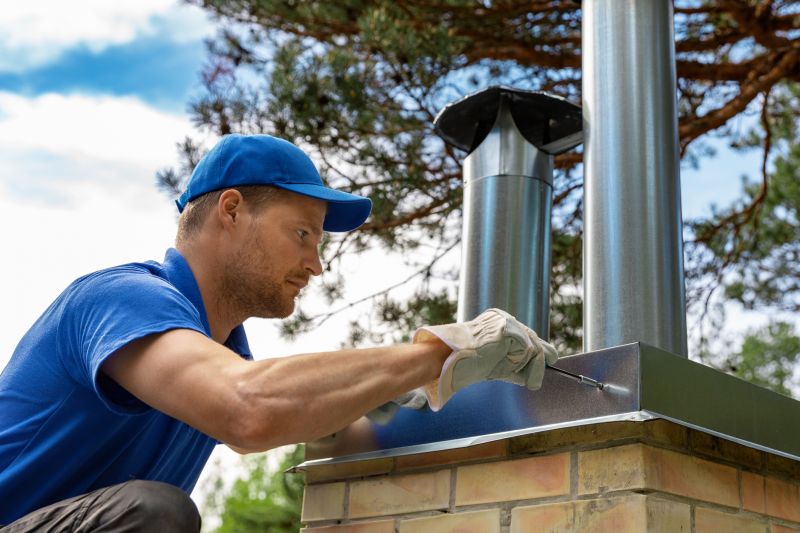
When evaluating options for chimney cap replacement, it’s important to consider the experience of local contractors with similar projects. Homeowners should inquire about how long a service provider has been working on chimney caps and whether they have handled projects comparable in scope and complexity. An experienced contractor will be familiar with different chimney types and materials, which can help ensure the job is done correctly and efficiently. This background can also provide confidence that the contractor understands the specific requirements of chimney cap installation, reducing the likelihood of issues down the line.
Clear, written expectations are another key factor when comparing local pros. Homeowners should seek detailed descriptions of the services included, the materials that will be used, and the scope of work. Having this information in writing helps prevent misunderstandings and ensures everyone is aligned on what will be provided. It’s also beneficial to ask about warranty policies or guarantees, as these can offer additional reassurance about the quality and durability of the work. Well-defined expectations contribute to a smoother process and a more satisfying outcome.
Reputable references and good communication are essential when choosing a service provider. Homeowners are encouraged to ask for references or reviews from previous clients who have had similar work completed. Speaking with past customers can reveal insights into the contractor’s professionalism, reliability, and overall quality of work. Additionally, effective communication from the contractor-such as responsiveness to questions and clarity in explanations-can make the project experience more transparent and less stressful. While the site introduces homeowners to local options, it’s important to recognize that the actual work will be handled by trusted local contractors who meet these criteria.
Property owners use Chimney Cap Replacement services for practical projects around their homes and businesses. This guide focuses on everyday jobs and straightforward project options.
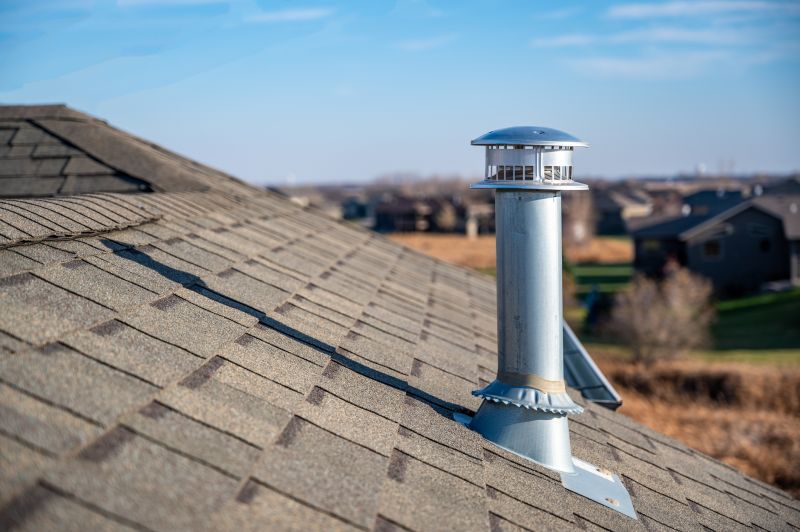
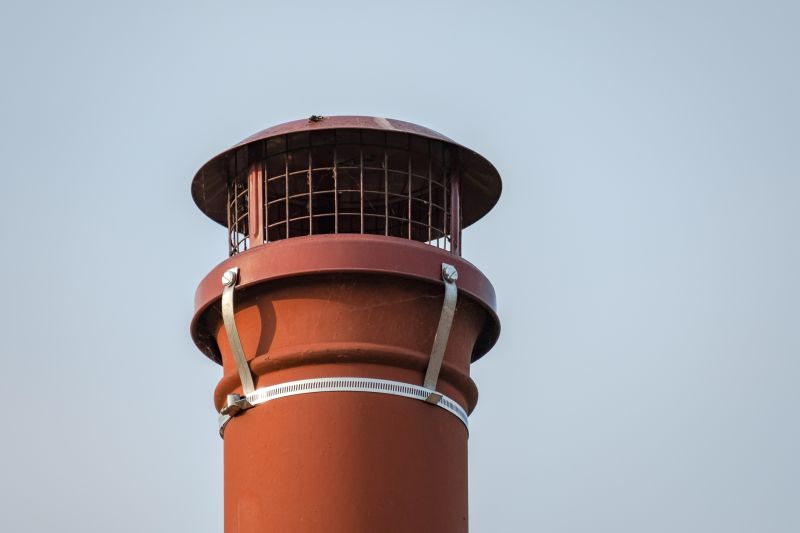
Chimney cap replacement is a common project for property owners dealing with aging or damaged chimney caps. Over time, exposure to the elements can cause caps to rust, crack, or become loose, leading to potential issues such as water leaks, pest intrusion, or debris buildup. Homeowners noticing these signs often seek out local contractors who specialize in chimney repairs and replacements to ensure their chimney remains protected and functions properly.
In addition, property owners may look for chimney cap replacement services after experiencing problems like increased draft issues or animals nesting inside the chimney. A properly fitted and maintained chimney cap helps prevent these issues by keeping out unwanted pests and preventing debris from entering the flue. Local service providers can assess the condition of existing caps and recommend suitable replacements to help maintain the safety and integrity of the chimney system.
Why should I replace my chimney cap? Replacing a damaged or outdated chimney cap helps prevent debris, animals, and water from entering the chimney, reducing potential damage and hazards.
How do I know if my chimney cap needs replacement? Signs include rust, corrosion, missing parts, or visible damage. A professional inspection can confirm if replacement is necessary.
What types of chimney caps are available? There are various options including stainless steel, copper, and custom-designed caps, each offering different durability and aesthetic qualities.
Can a chimney cap be replaced without professional help? While some homeowners may attempt replacement, it is recommended to hire local contractors experienced in chimney cap installation for safety and proper fit.
How often should chimney caps be replaced? Chimney caps typically last several years but should be inspected regularly and replaced if signs of damage or deterioration are evident.
Chimney Cap Replacement - Ensures proper ventilation and prevents debris from entering the chimney, helping maintain safe and efficient operation.
Chimney Cap Replacement - Protects the chimney from animals and weather damage, reducing the risk of blockages and costly repairs.
Chimney Cap Replacement - Enhances the overall appearance of a property by updating worn or damaged chimney covers with new, functional caps.
Chimney Cap Replacement - Provides an opportunity to upgrade to more durable or better-suited caps that match the specific needs of the property.
If you are thinking about Chimney Cap Replacement for a property, this guide is meant to help you understand the work, the typical project types, and how different options might fit your plans.
When you are ready, you can use the quote form on this page to share a few details about your project. From there, local pros can review the basics and respond with options that match what you have in mind.